
See the hazard before it becomes urgent
Obstacle avoidance starts with attention. If you wait until a wall or edge fills the screen, your only option can be a violent correction. Look beyond the avatar and identify both the obstacle and the space where you want to land.
Use a three-point scan
For each section, scan:
- Threat: what can cause the next impact?
- Space: where is the widest recovery area?
- Exit: what comes immediately after the landing?
The exit matters because an avoidance move can succeed against one obstacle and fail against the next.
Read official visuals carefully
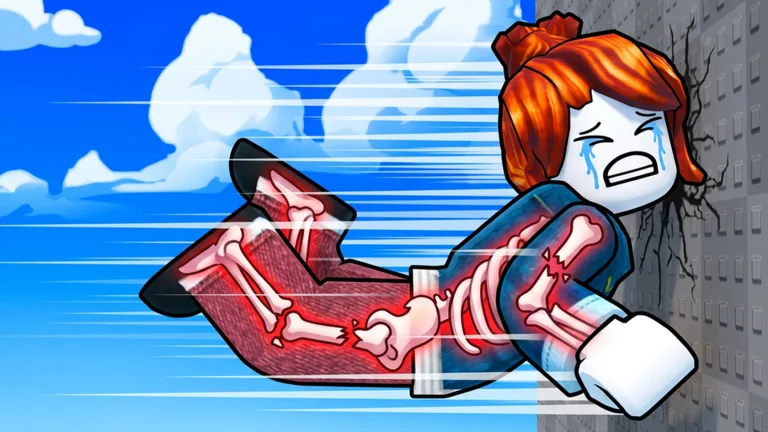
Roblox artwork for the game shows a gray wall, road surfaces, bright green studded slopes, hard impacts, and tumbling avatars. Those images confirm the importance of collisions, but they do not establish named obstacle classes or exact damage values.
Use live runs to identify current hazards. Avoid importing obstacle lists from the unrelated neon ball game named Slope.
Choose a response by space
| Situation | Better response |
|---|---|
| Wide clear side | Adjust early toward the open area |
| Narrow gap | Reduce unnecessary movement before entry |
| Obstacle before a drop | Plan the landing, not just the dodge |
| Repeated wall impact | Change approach angle earlier |
| Unknown section | Favor the route with more recovery room |
Review the chain
After a crash, trace backward. The last impact may have been unavoidable because an earlier correction put the avatar on the wrong line. Fix the first decision that removed your choices.
Keep one-variable tests: earlier timing, smaller input, wider line, or different landing target. Several controlled comparisons teach more than one risky personal best.
Practice obstacle recognition
Use a few runs to name the shape of the problem before reacting: blocked center, narrow side, poor landing space, or unknown route. The label does not need to be official. Its purpose is to make your decision faster and more consistent. Match each label with one preferred response, then review whether that response preserved control. Over time, recognition should happen earlier, leaving more space for a smaller adjustment.
FAQ
What obstacles are in Survive The Slope?
Official visuals show walls, roads, slopes, and collision-heavy environments. Check the live game for the current full set and names.
Do obstacles have fixed damage?
Use the live bone display to compare impacts because the game does not publish a fixed damage table.
Where should I look during a run?
Look farther down the slope, keeping the avatar in peripheral vision.
Why does a successful dodge still end badly?
The correction may create an unsafe landing or poor angle for the next obstacle. Plan the exit before moving.
How do I learn an unknown section?
Choose the widest visible route, observe the result, and change only one decision on the next attempt.