
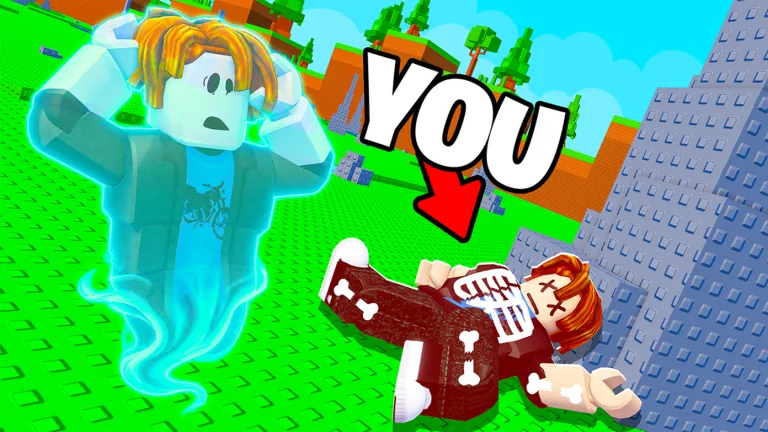
The short answer
Start a run, slide down the mountain, look ahead for obstacles, and stay intact for as long as you can. The farther you travel, the more you earn. A run ends when every bone is broken, so distance matters only when you can survive long enough to bank steady progress. Spend your earnings on upgrades, then test whether the next run goes farther.
That is the complete verified loop. The game is easy to understand and hard to repeat cleanly because every impact can change what happens next.
Learn the run in six steps
| Step | What to do | What to watch |
|---|---|---|
| Start | Enter the slope and settle into the movement | How quickly the avatar responds |
| Scan | Look beyond your character | Walls, road edges, and collision points |
| Adjust | Make early, controlled corrections | Whether a move creates a worse landing |
| Survive | Avoid unnecessary impacts | Visible bone damage and loss of control |
| Finish | Note where and why the run ended | Distance and the final collision |
| Upgrade | Spend for the next specific problem | Whether the next result improves |
Do not treat the first run as a record attempt. Use it to learn the current controls in the live Roblox client. Desktop, Mobile, and Tablet are supported, but button layouts can change. Read the on-screen prompts instead of following an old key list.
Watch the slope, not just the avatar
The most common beginner habit is staring at the tumbling character. That looks dramatic, but it gives you very little time to react. Move your attention farther down the mountain. Identify the next wall, road edge, or obstacle before your avatar reaches it.
When two routes are visible, take the one that gives you more room to correct. A narrow fast line is useful only when you already know how the avatar will land. Consistency creates earnings; risky lines are better saved for deliberate record attempts.
Use damage as feedback
Bone damage is not just an effect. It tells you whether a route and landing are working. If a particular correction repeatedly leads to a hard impact, change the decision before that point on the next run.
Use a simple review loop:
- Name the first major mistake.
- Decide what earlier action would have prevented it.
- Change one thing on the next run.
- Compare the new distance with the previous result.
Changing one variable is slower than guessing, but it teaches you which decision actually helped.
Spend with a purpose
The game confirms that upgrades help push distance records farther. It does not publicly document every current upgrade name, price, cap, or formula. Open the live upgrade menu and choose the option that addresses your last failure. If control was the problem, do not automatically buy something that only looks impressive. If survival ended the run, prioritize the option whose current description directly helps survival.
After buying, test it across several runs. One lucky attempt does not prove that a purchase solved the problem.
Your first-session checklist
- Confirm the live controls and camera behavior.
- Complete one safe observation run.
- Record your rough distance before spending.
- Buy one relevant upgrade.
- Repeat the same basic route two or three times.
- Compare distance and the point where damage increased.
- Switch to record attempts only after results become consistent.
FAQ
What is the goal of Survive The Slope?
Travel as far down the mountain as possible, avoid obstacles, preserve your bones, earn more from greater distance, and improve future runs with upgrades.
What ends a run?
The official game description says the run ends when all of your bones are broken.
Does the game support mobile?
Yes. The current description lists Desktop, Mobile, and Tablet support. Check the live client for the current control layout.
What should I upgrade first?
Choose the live-menu option that directly addresses the reason your last run ended, then compare several attempts before buying again.
Is there a fixed finish line?
A fixed endpoint has not been confirmed. Treat distance and survival as the reliable goals unless the live game shows a finish condition.